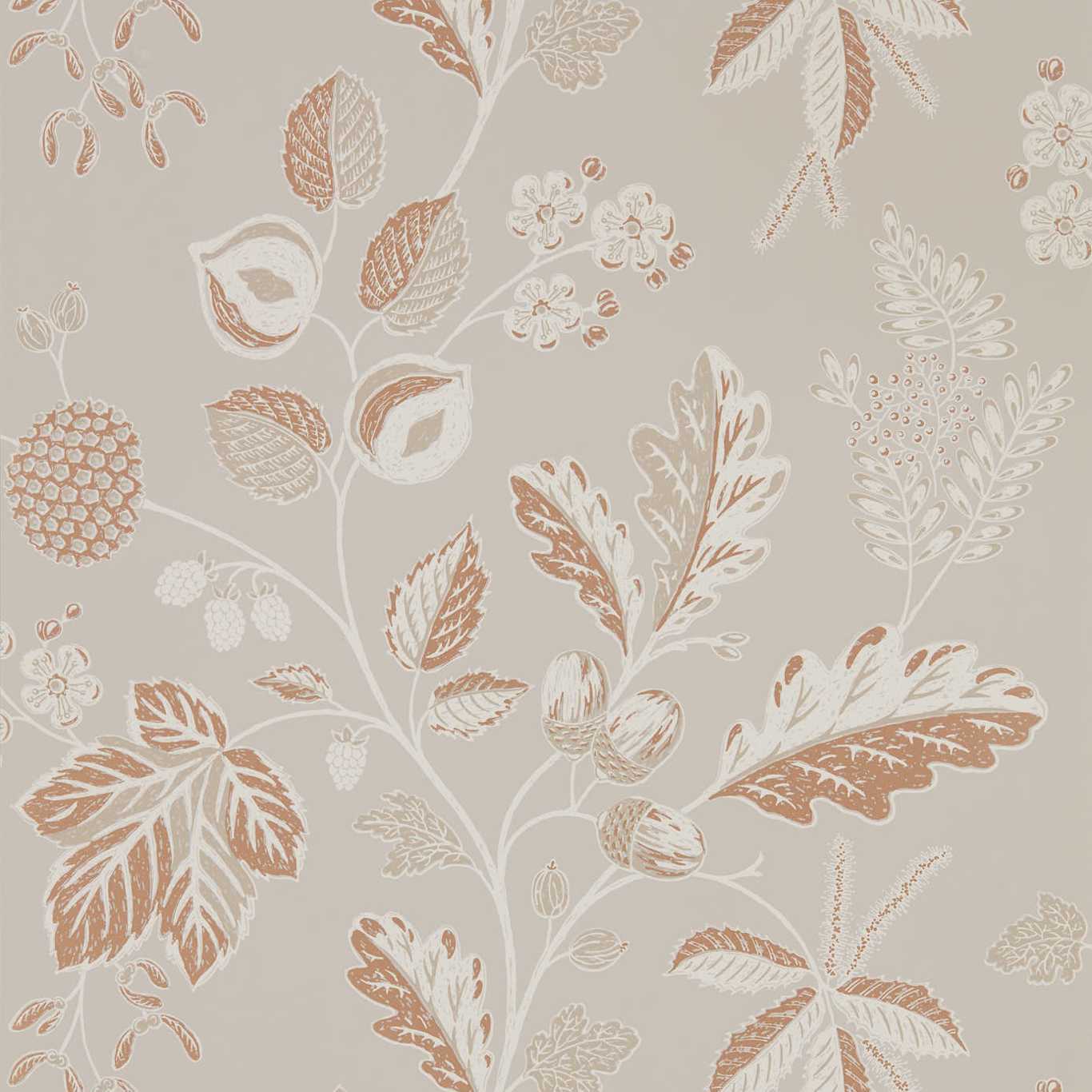
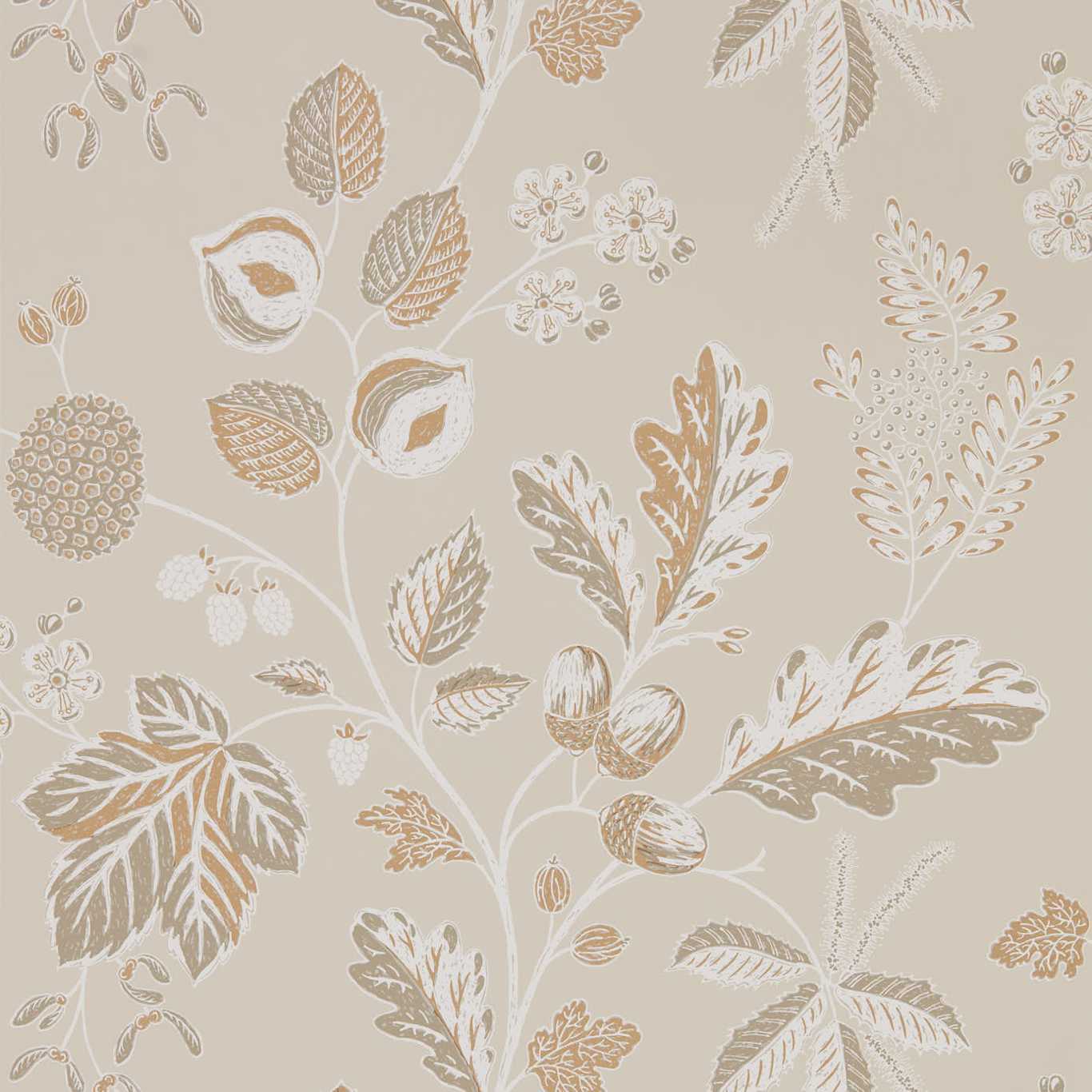
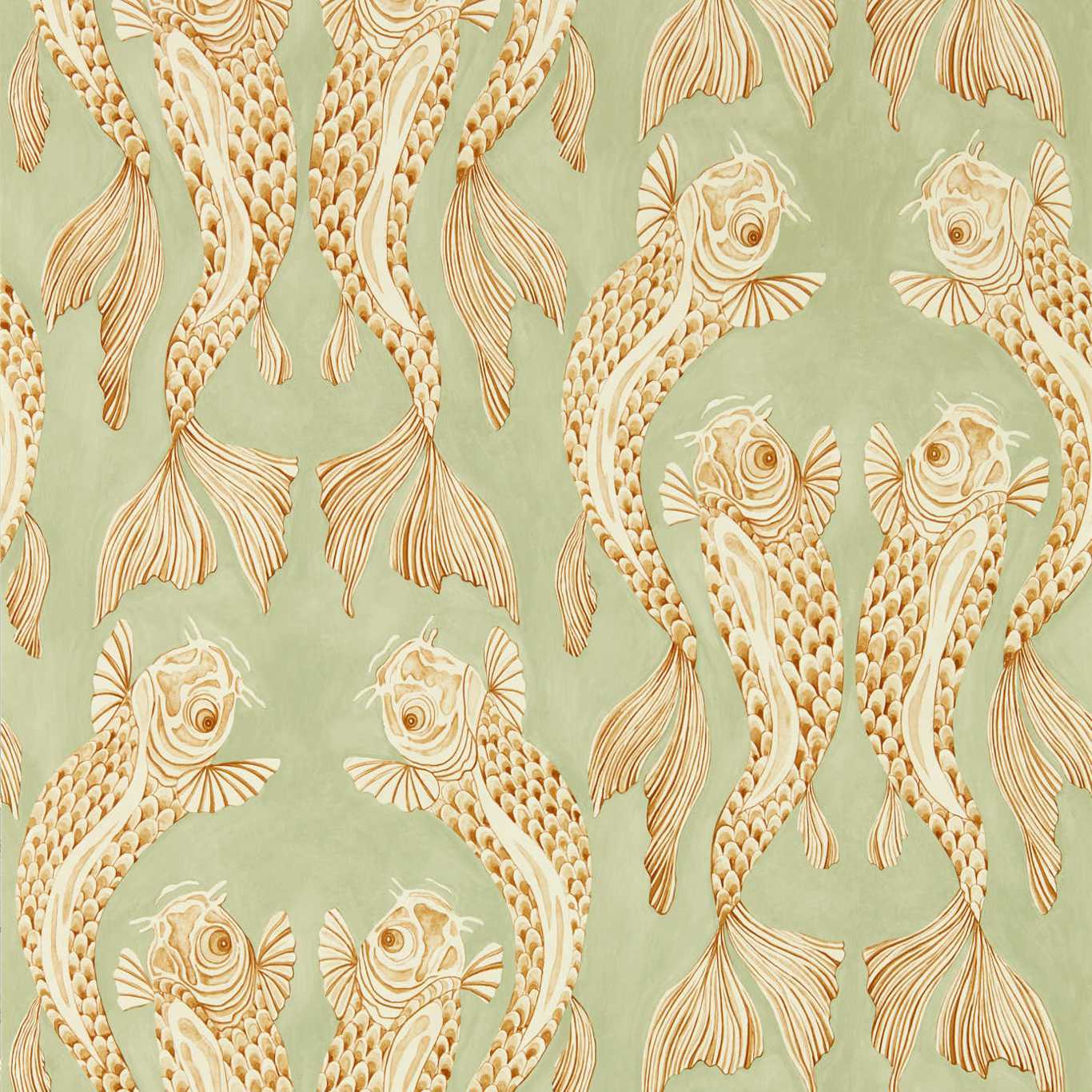
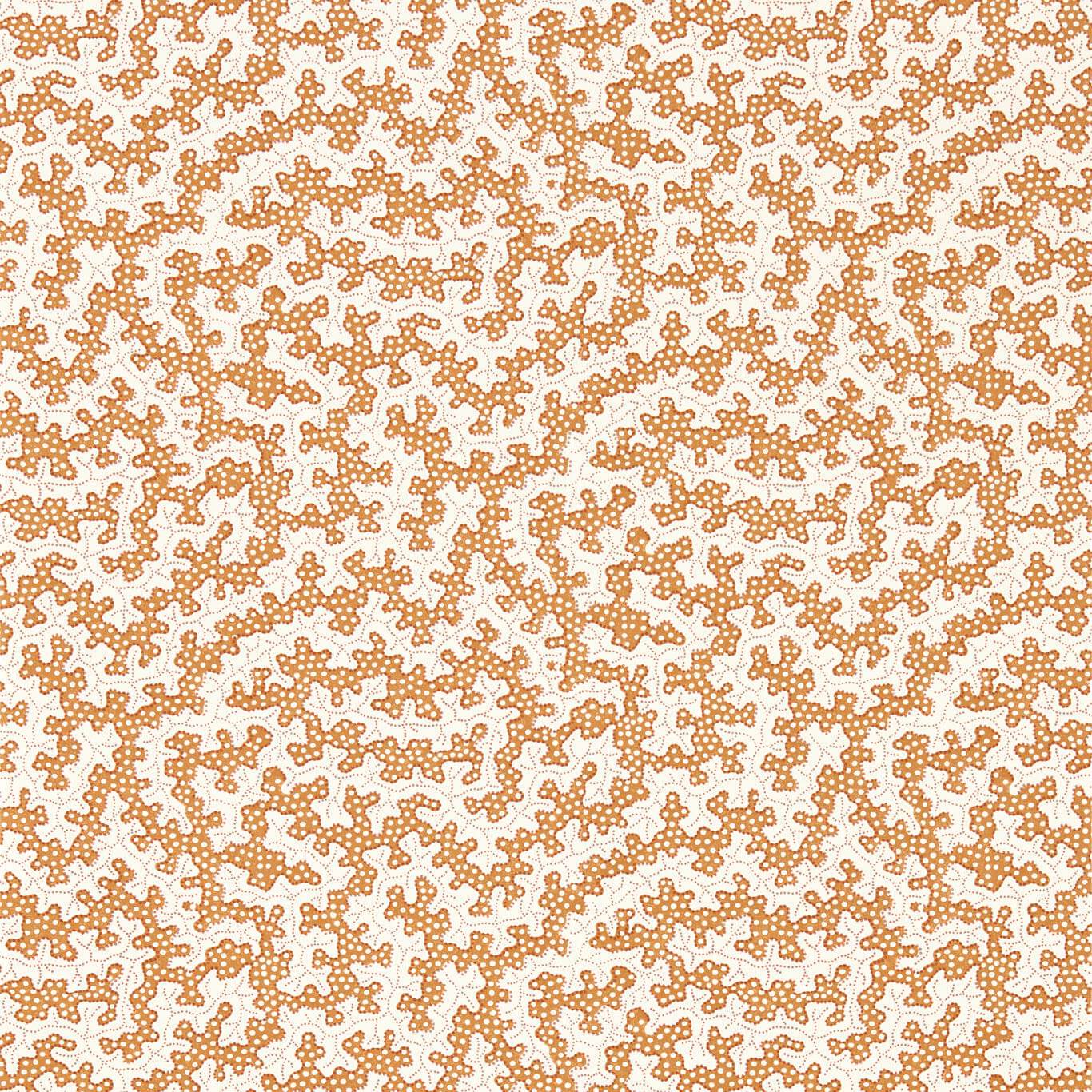
New York rooms are usually smaller, older, and lit worse than the listing photos suggest — and that is exactly why the city has such a distinct relationship with a bold wall. Pattern is how a prewar box becomes a room worth staying in.




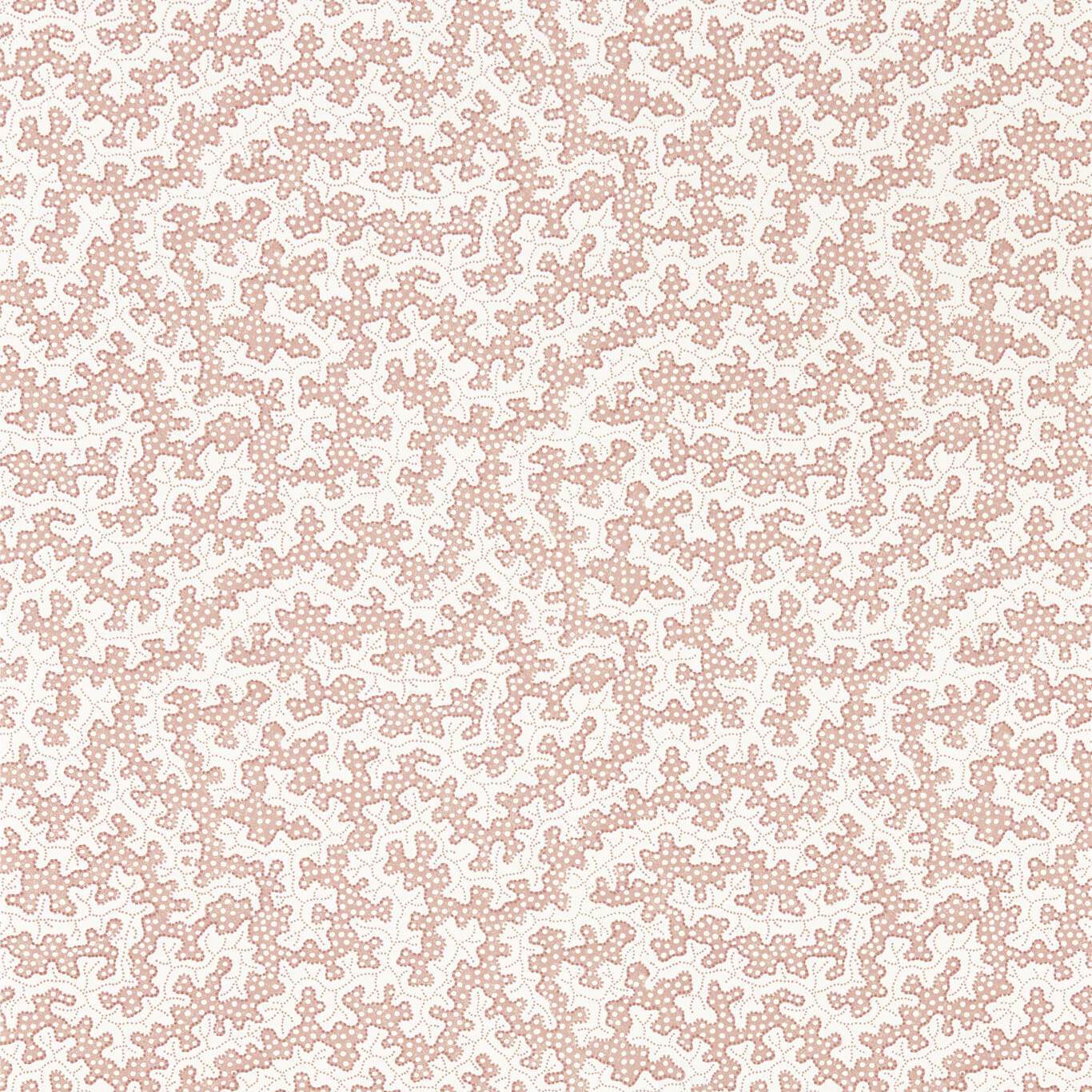
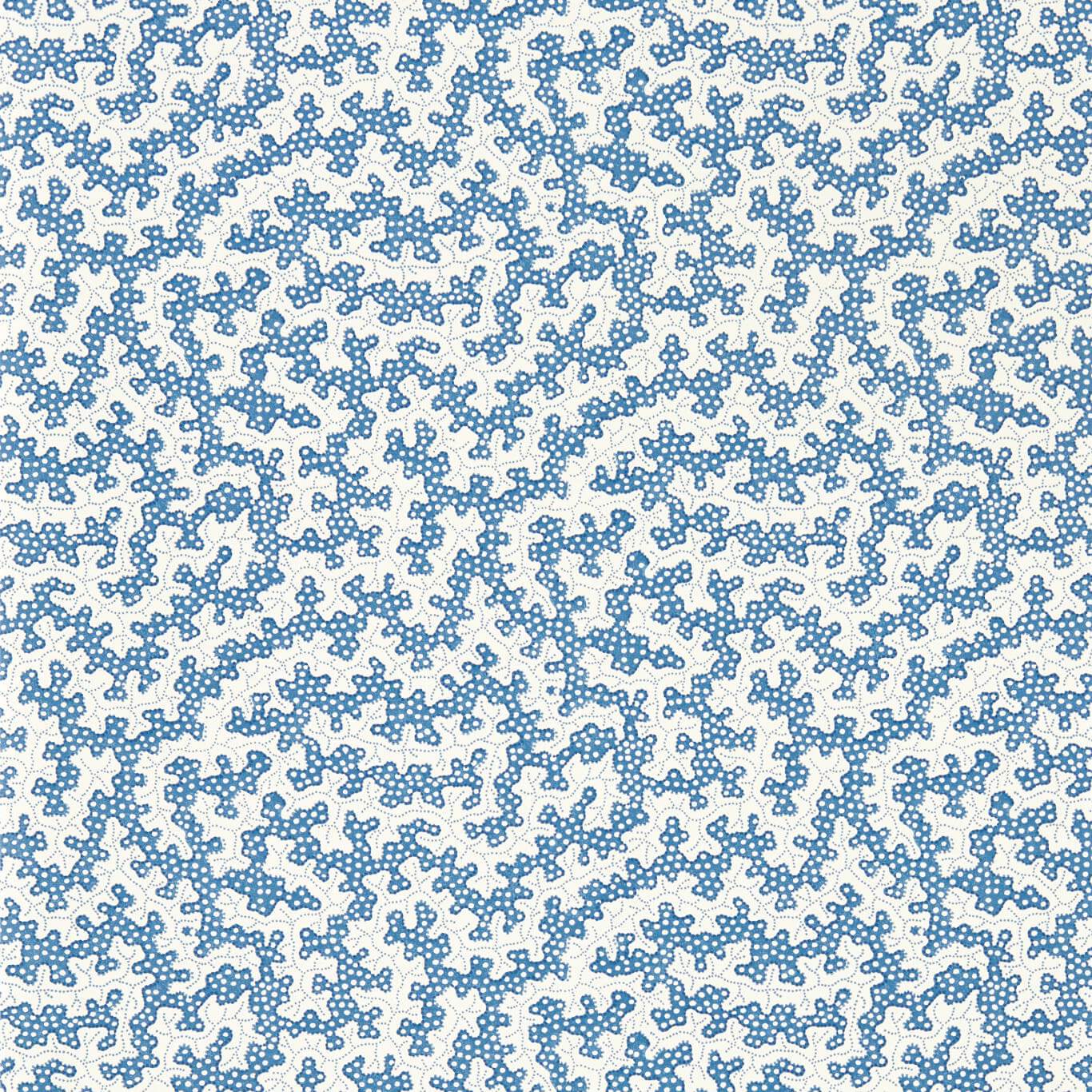
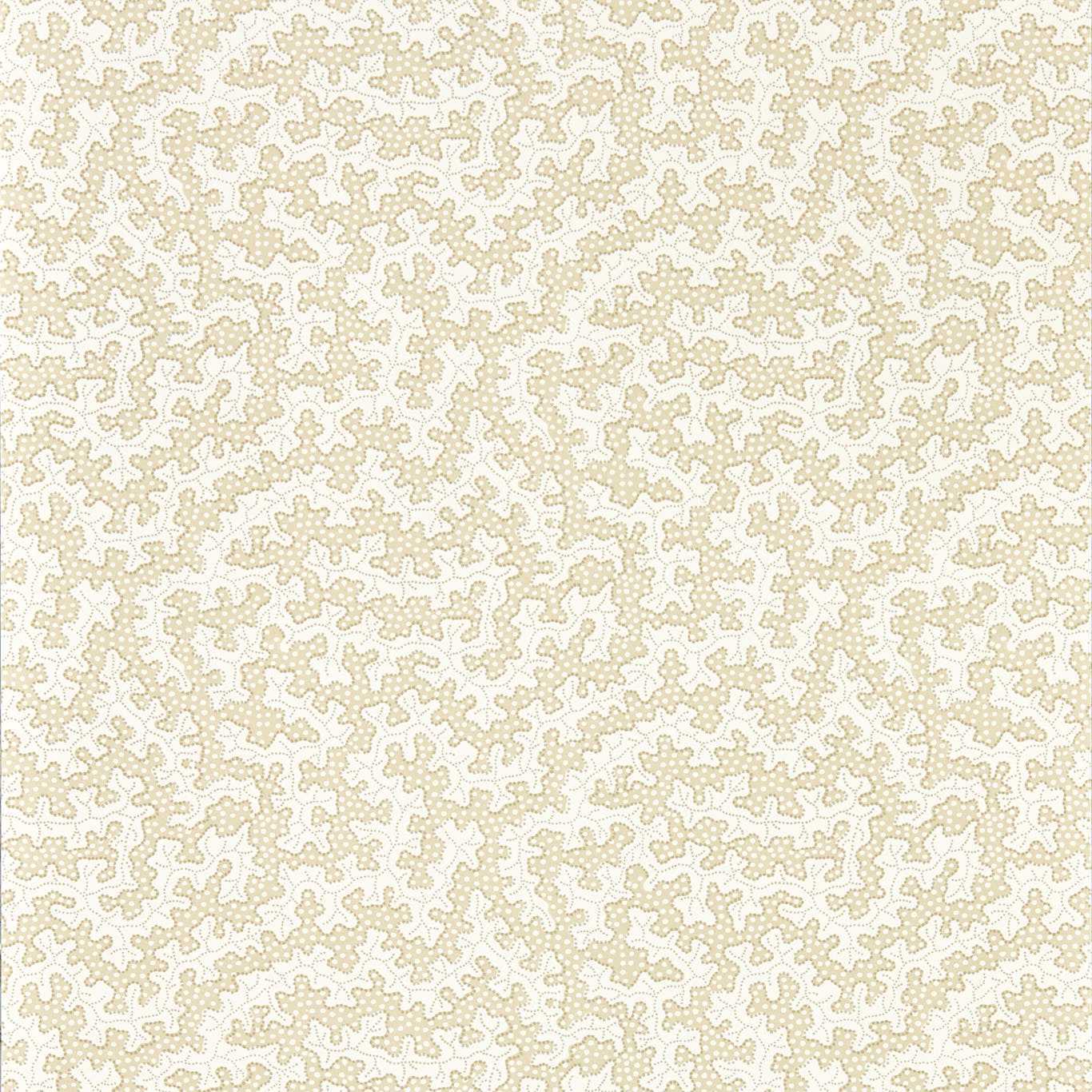
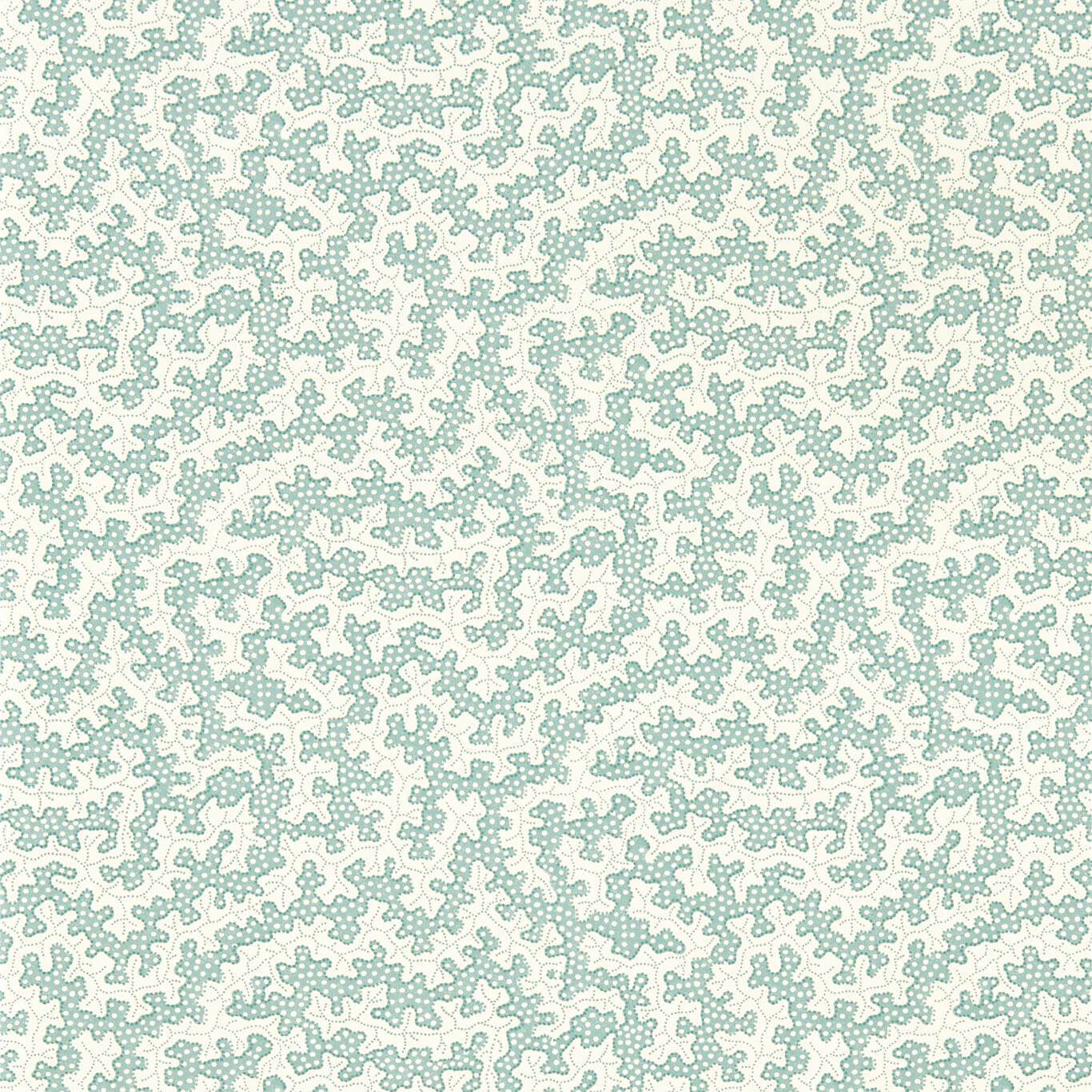
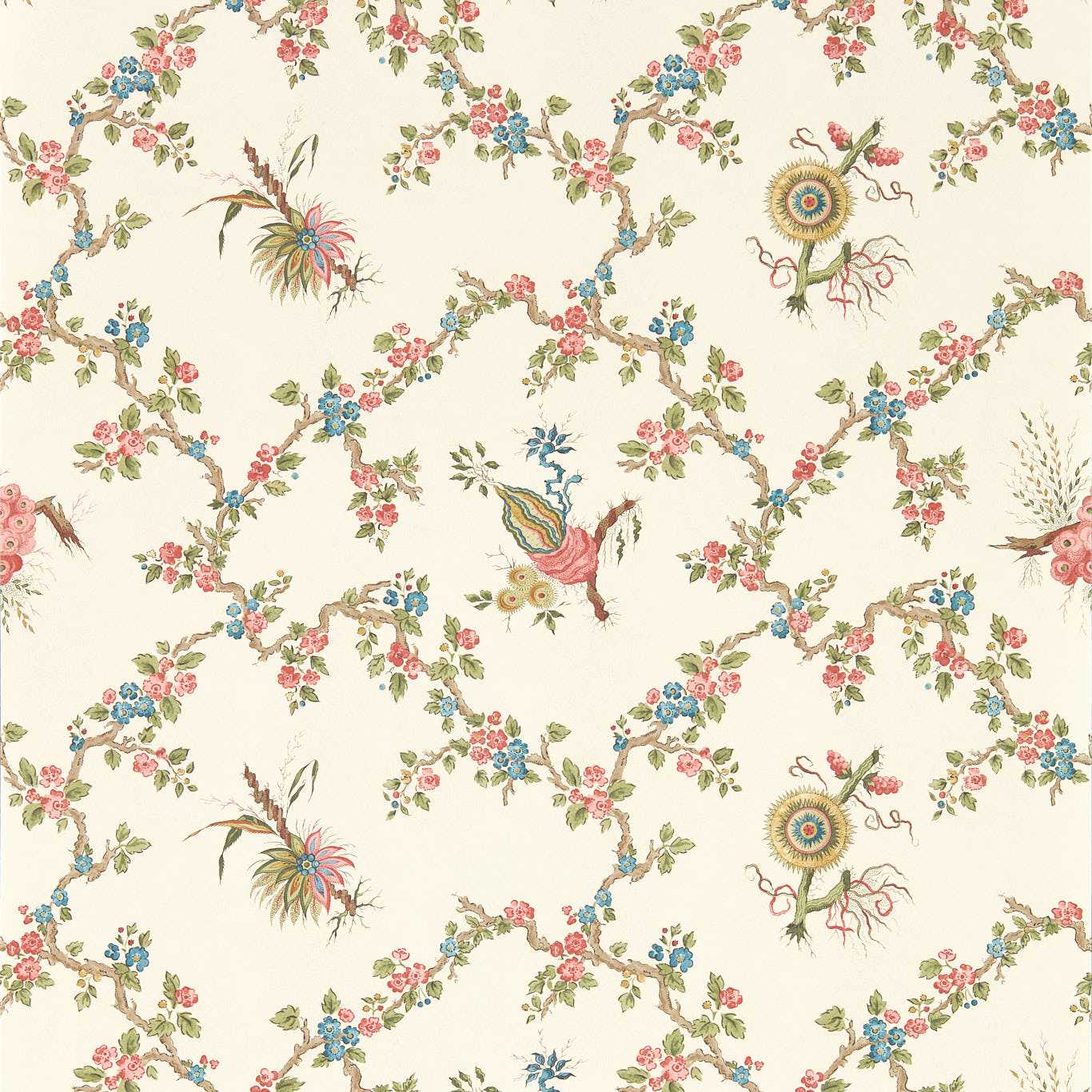
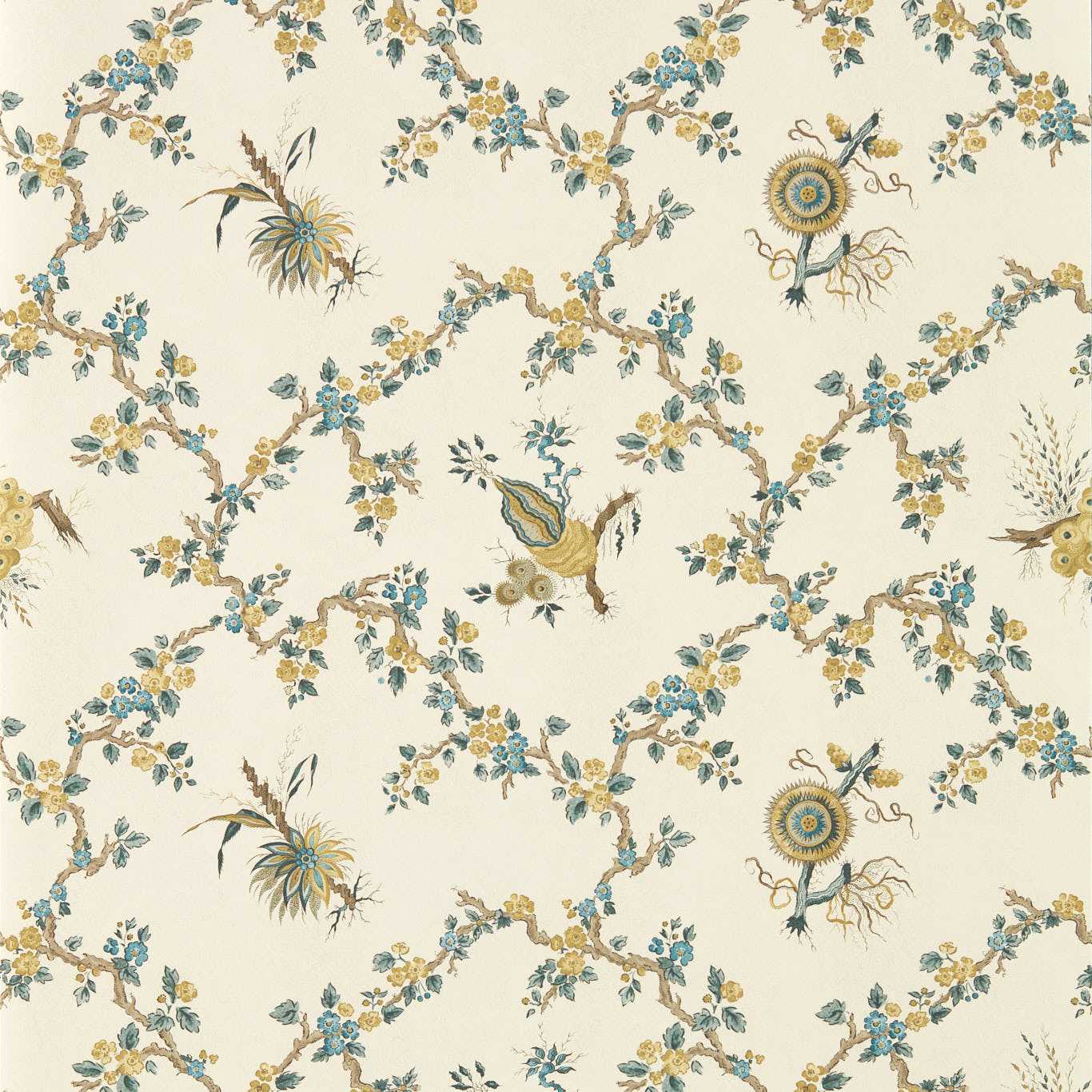
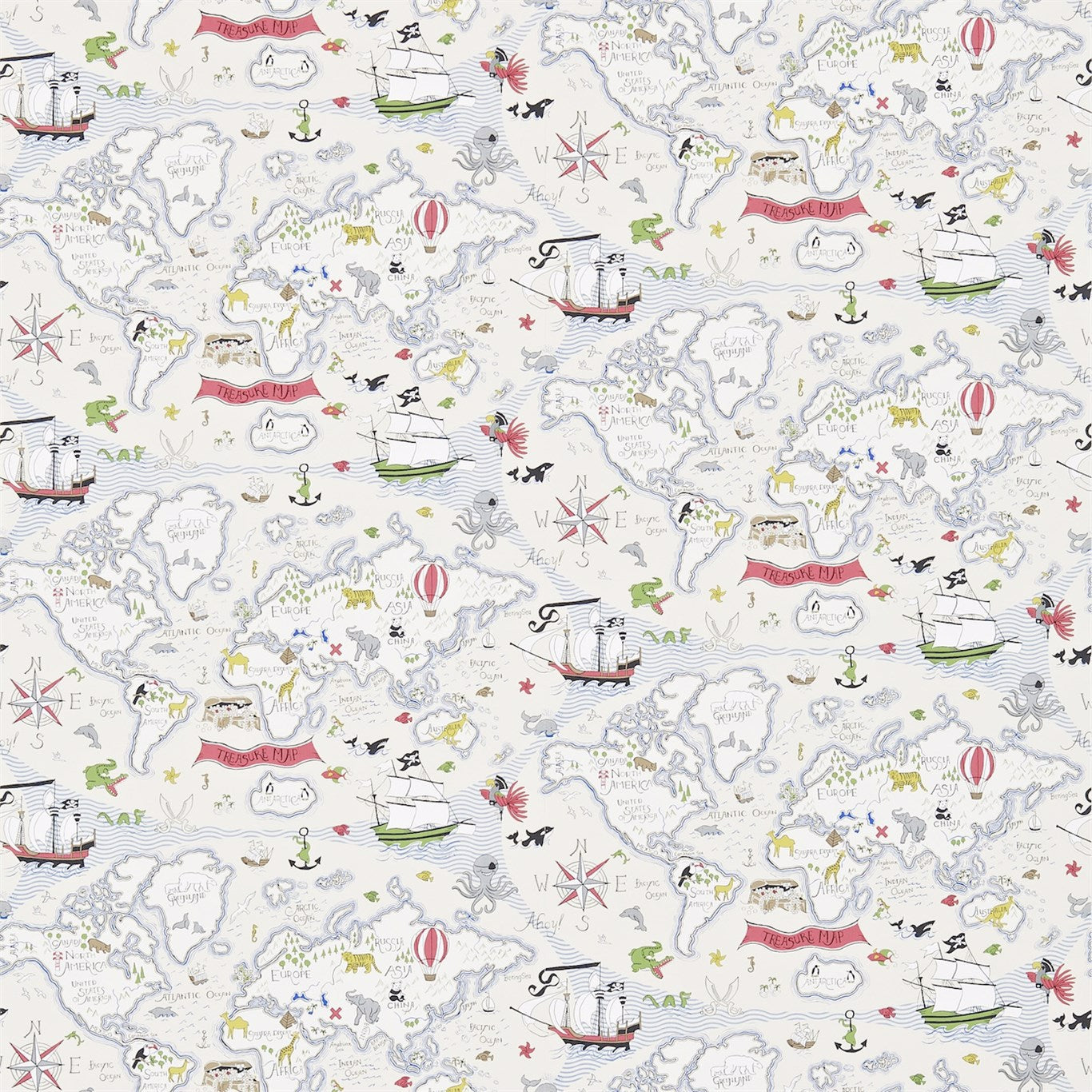
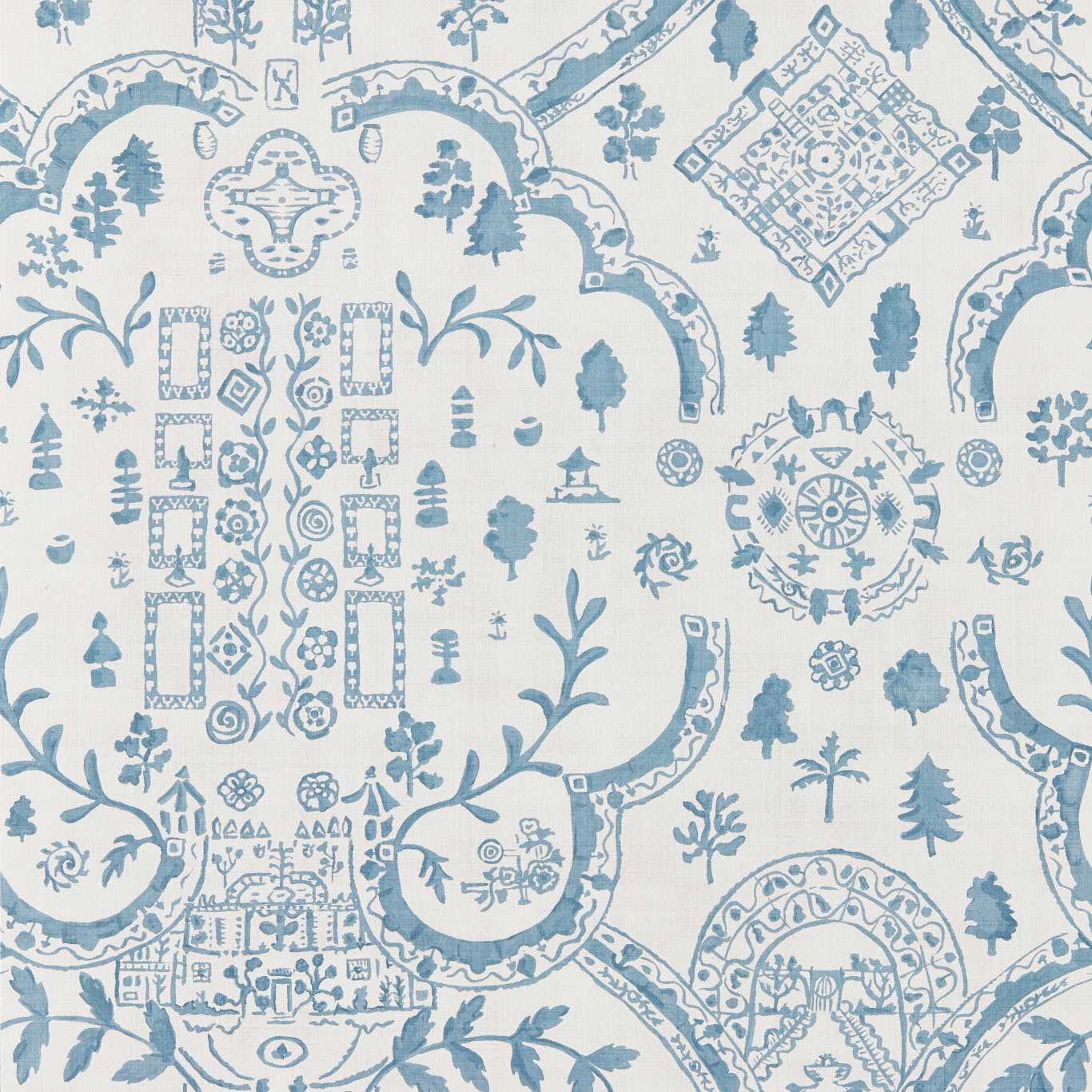
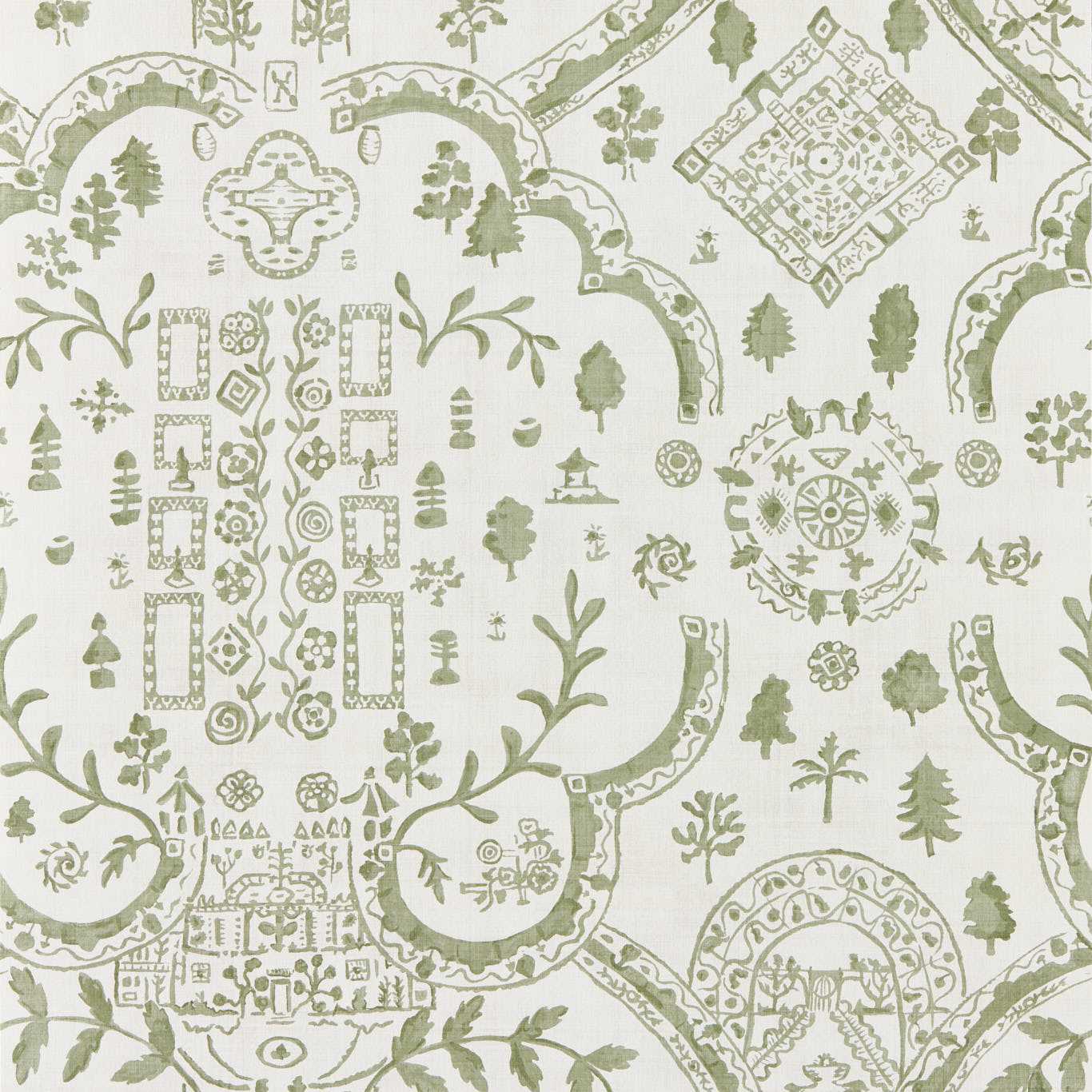
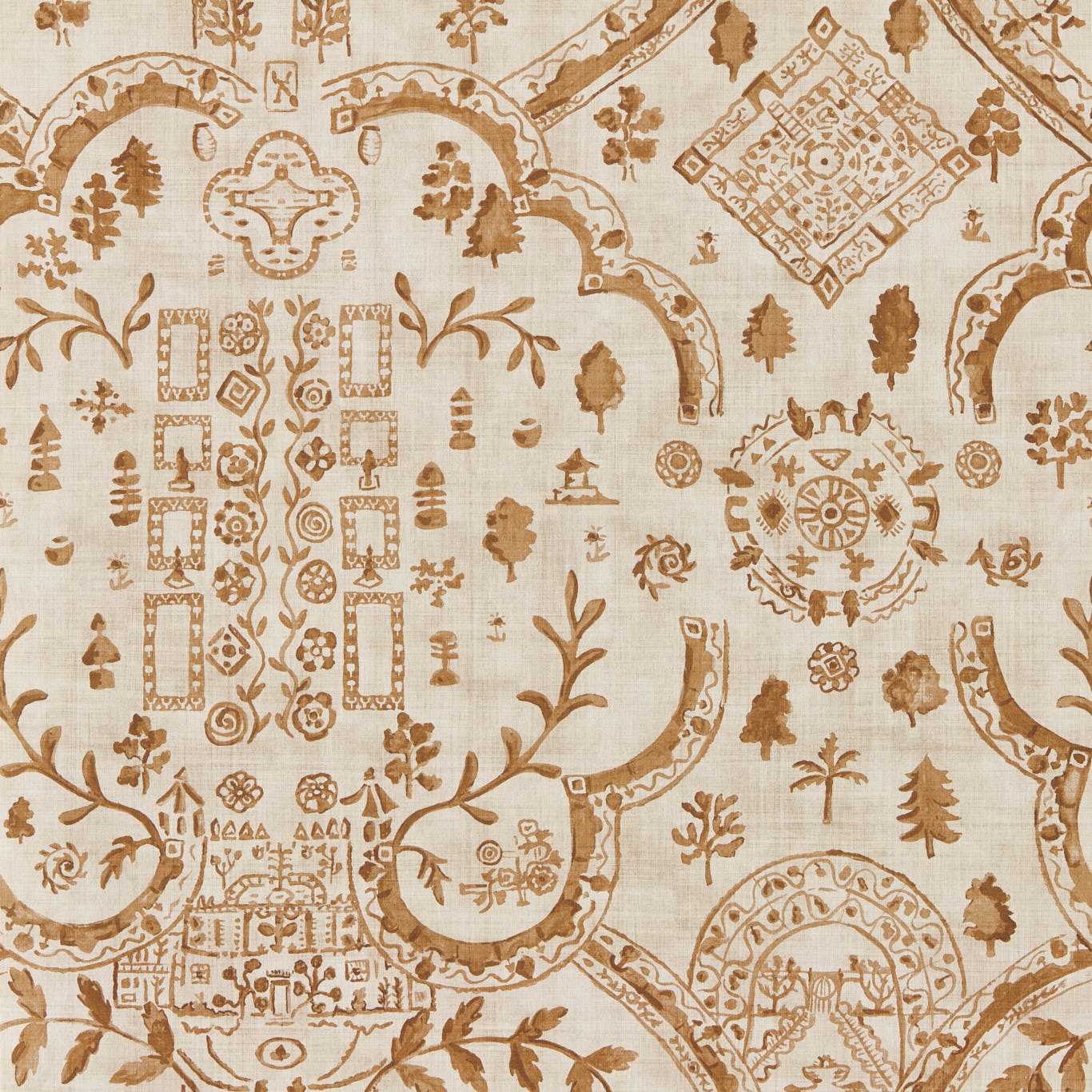
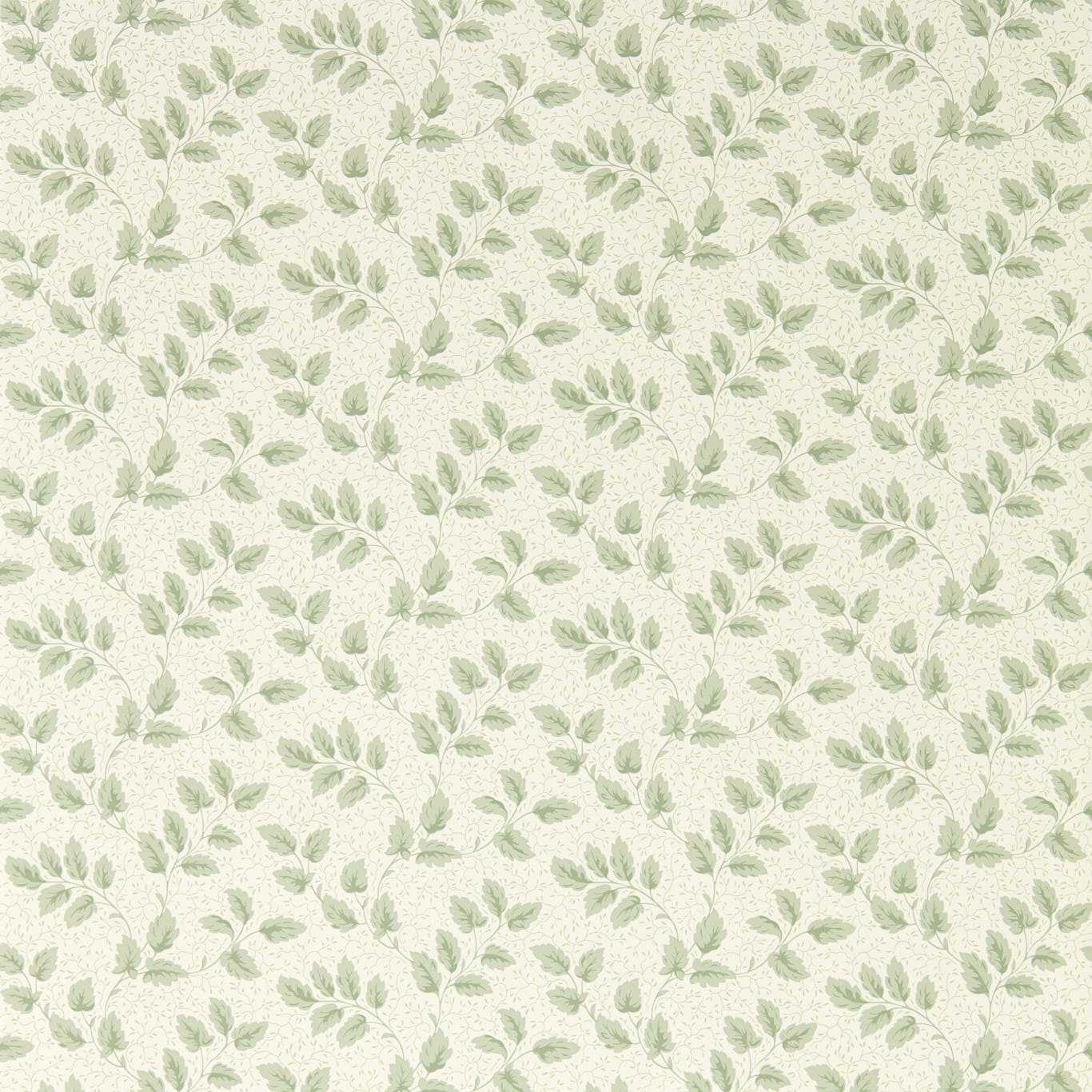
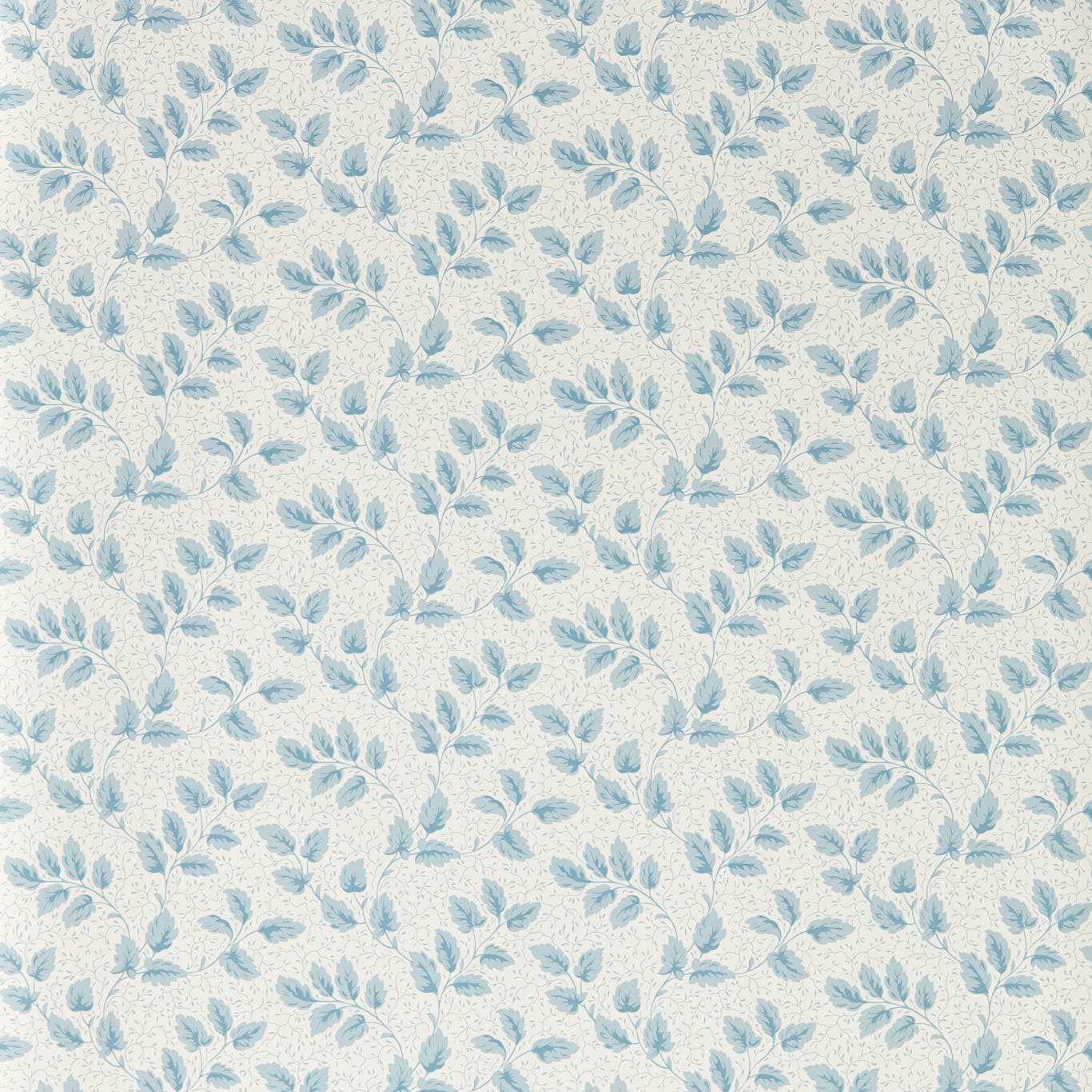
How the city shapes what goes on the wall
The New York interior is defined by constraints most decorators elsewhere never face: narrow railroad layouts, a single north-facing window, plaster walls that have been skim-coated a dozen times, and a lease that may forbid anything permanent. Those limits push design toward the walls, because there is rarely floor space to spare, and toward drama, because a small dark room either owns its shadows or fights them and loses.
The result is a local instinct for the confident feature wall — a lacquered entry, a papered powder room, a deep-toned bedroom — where a suburban home might spread the same budget across a large open plan. In the city, one strong surface does more work than five safe ones.
The three New York rooms that get papered first
Certain rooms take pattern in almost every city apartment. The entry or foyer comes first, because it is often windowless and there is no reason to keep a hallway plain when it can announce the whole home in three seconds. The powder room comes second — small, forgiving of a big or eccentric print, and the one space guests actually study.
The bedroom is the third, and the one where New Yorkers tend to go moody rather than bright: a saturated ground or a large-scale botanical turns a small sleeping box into a cocoon. What ties the three together is that each is a room where you are either passing through or winding down, so a pattern that would exhaust you in a living room feels perfect.
Renting, prewar quirks, and the practical route
A huge share of the city rents, and that has made peel-and-stick and other removable wallcoverings a genuine design category here rather than a compromise. Modern removable papers hold color and pattern well enough to satisfy a serious eye, and they come off cleanly at move-out, which is the only version of pattern many leases allow.
Prewar walls bring their own footnote. Old plaster is rarely flat and often a little chalky, so a liner or a proper primer does more for the finished look than the choice of paper itself. The city's best-dressed small rooms almost always share an unglamorous secret: the wall was prepped properly before anything pretty went on it.
Quick checklist before you order
- Start with the entryWindowless halls and foyers gain the most from a bold wall.
- Go moody in small roomsDeep grounds make a tight bedroom feel like a cocoon, not a closet.
- Check your leaseIf permanent paper is out, removable papers now read as design, not compromise.
- Prep old plasterA liner or primer matters more on prewar walls than the paper choice.
- Test in your lightNorth-facing city rooms flatten color — sample on the actual wall first.
Frequently asked
Can I use wallpaper in a rental apartment?
Yes — modern removable and peel-and-stick wallcoverings hold pattern well and strip off cleanly at move-out, which satisfies most leases.
Which room should a small apartment paper first?
The entry or the powder room — both are compact, often windowless, and reward a bold print more than a large open living space.
Do prewar walls need special prep?
Usually yes; old plaster is uneven and chalky, so a liner or primer gives a far better finish than skipping straight to the paper.
Read more
- The D&D Building and how New York's design trade works979 Third Avenue, the to-the-trade showroom model, and the fall market: how the wallpaper and textile trade is organized in New York.
- Hanging wallpaper in a prewar New York apartmentPlaster walls, co-op alteration rules, lining paper, and small rooms: the real constraints of papering a New York prewar.
- A short history of wallpaper in New York interiorsFrom Federal-era scenic papers to the Gilded Age to today, and the Cooper Hewitt collection that preserves it.